Saving species through breeding programmes
Colchester Zoological Society has over 150 different species; many of these are classified as vulnerable, endangered or critically endangered in the wild. Establishing and managing sustainable breeding populations is core to Colchester Zoological Society’s role in conservation – but we don’t do it alone.
Breeding programmes in zoos are managed collaboratively at a European, or sometimes global, level. EAZA Ex situ Programmes or EEPs (previously known as European Endangered Species Programmes) are coordinated breeding programmes for over 500 animal species designed to manage and conserve endangered species in European zoos; they are a collaboration between zoos, conservation organisations, and governmental bodies to ensure the long-term survival of threatened species with the goal of maintaining healthy and genetically diverse populations.
Each EEP is overseen by a Coordinator and a Species Committee working at European Association of Zoos and Aquaria (EAZA) zoos and aquariums or at partner organisations. Our zoological management team are committee members for a number of these breeding programmes.
Angela Matthews, Head Keeper:
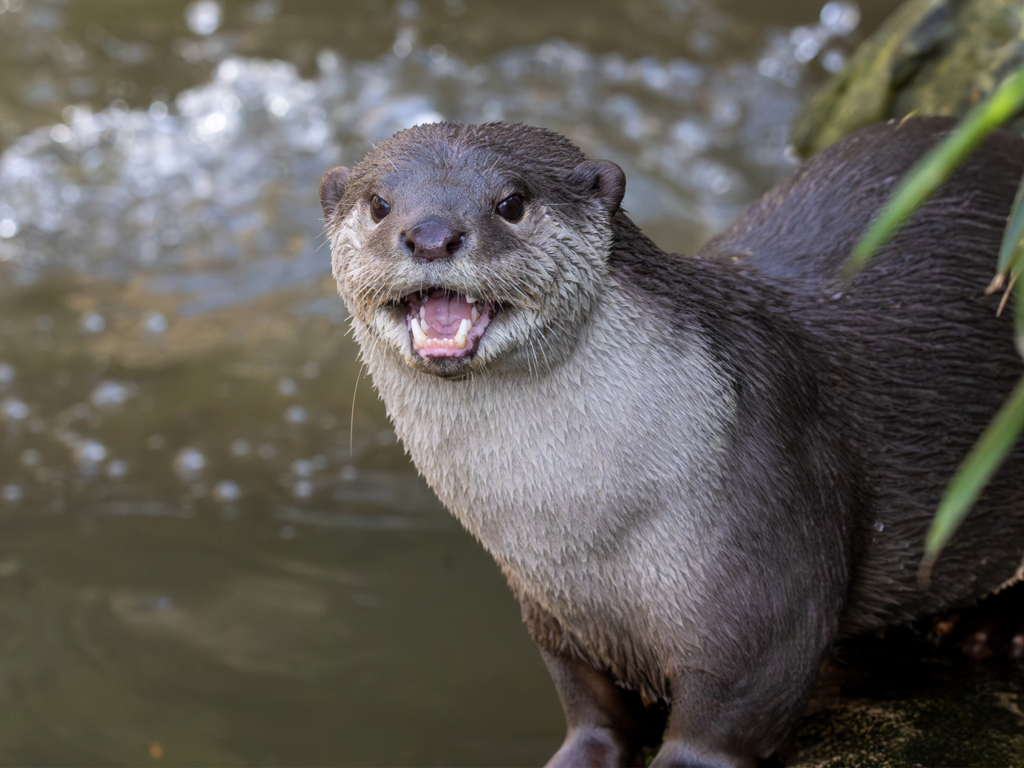
- EEP Coordinator for Smooth-coated Otter
- EAZA monitor for Spotted-necked, North American River and Sea Otter
Jemma Dias, Senior Conservation Educator and Research Coordinator:
- Education advisor for Amphibian TAG
- BIAZA Research Committee Member
- BIAZA Sound Focus Group Member and ManyZoos
- Communication and Outreach Committee Member
Jody Bedford, Team Leader:
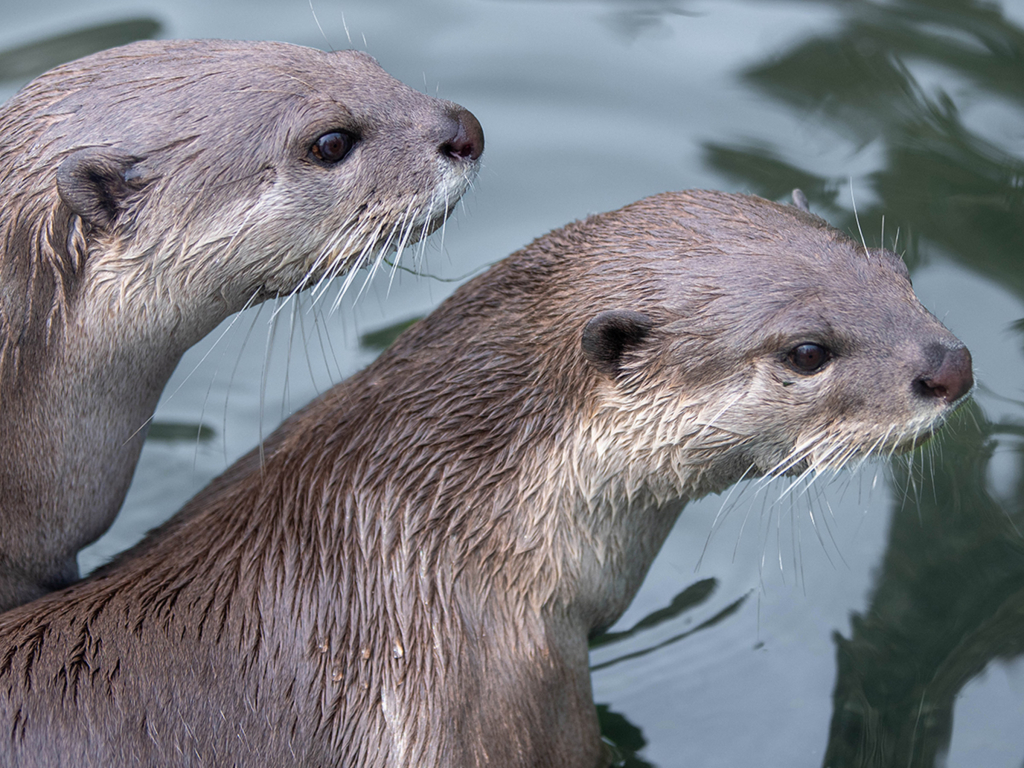
- EAZA Species Committee Member for Smooth-coated Otter EEP
- EAZA Species Committee Member for Bush Dog EEP
A Studbook is produced for each EEP containing historical and present data on individual species, such as dates of birth, parentage and zoo location. The Coordinator then makes recommendations or “matches” between individual animals according to genetic diversity and other suitability criteria. It means if Colchester Zoological Society (or any zoo) is asked to send an animal to another zoo for breeding, we cooperate to ensure the overall zoo population is as strong and healthy as possible. Conservation and breeding programmes play a pivotal role in the management and welfare of animal populations in zoos. Here at Colchester Zoological Society, we are involved in over 60 EEPs.
Mammals (46 EEPs)
- Aardvark (Orycteropus afer)
- African elephant (Loxodonta africana)
- African lion (Panthera leo)
- Amur leopard (Panthera pardus orientalis)
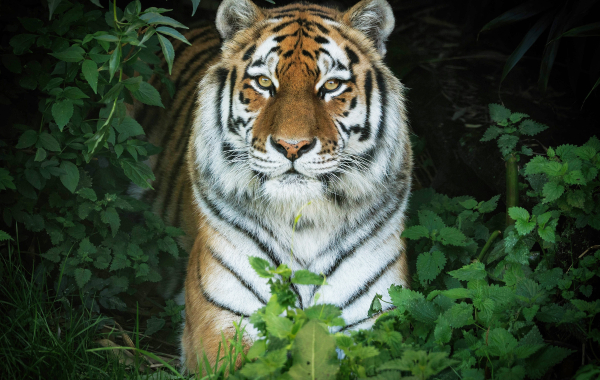
- Amur tiger (Panthera tigris altaica)
- Barbary Macaque (Macaca sylvanus)
- Binturong (Arctictis binturong)
- Buffy-headed capuchin (Sapajus xanthosternos)
- Bush dogs (Speothos venaticus)
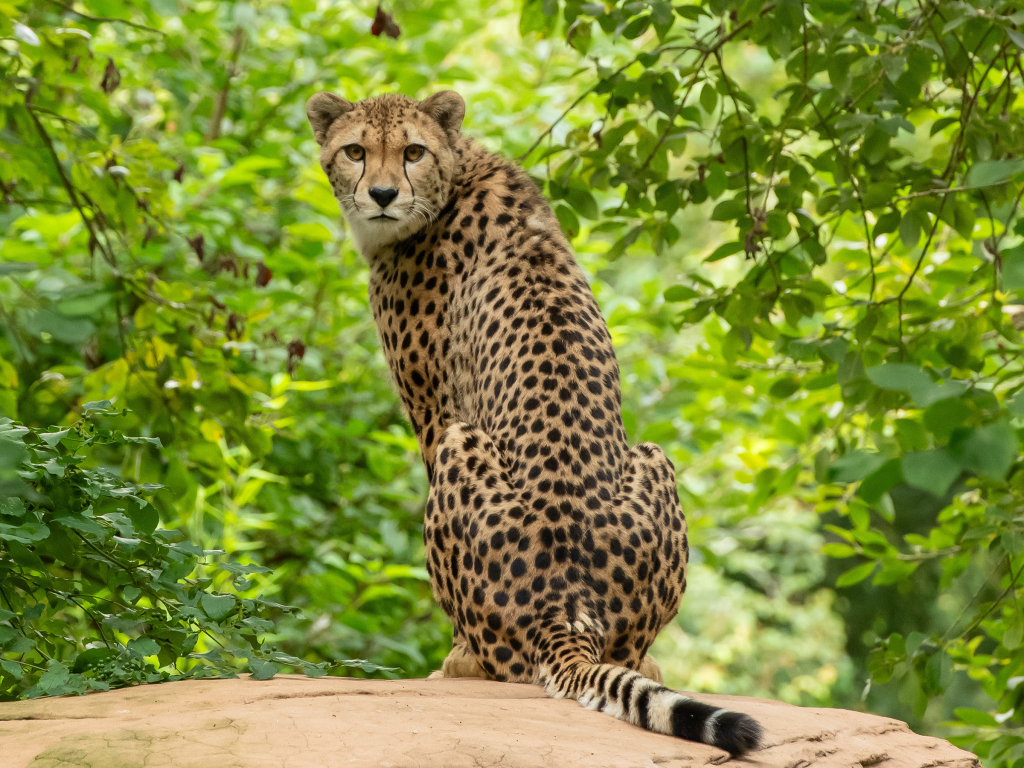
- Cheetah (Acinonyx jubatus)
- Cherry-crowned mangabey (Cercocebus torquatus torquatus)
- Colombian black spider monkey (Ateles fusciceps robustus)
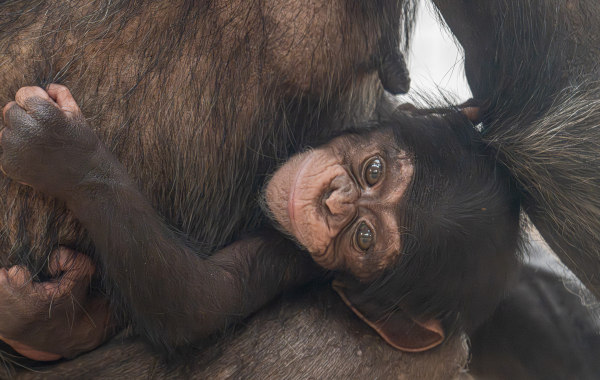
- Common chimpanzee (Pan troglodytes)
- Common squirrel monkey (Saimiri sciureus)
- Coppery titi monkey (Callcebus Cupreus)
- Crowned Lemur (Eulemur coronatus)
- Eastern Pygmy Marmoset (Cebuella niveiventris)
- Fennec fox (Vulpes zerda)
- Gelada baboon (Theropithecus gelada)
- Giant anteater (Myrmecophaga tridactyla)
- Giraffe (Giraffa camelopardalis)
- Goeldi’s monkey ( Callimico goeldii)
- Golden-headed lion tamarin (Leontopithecus chrysomelas)
- Golden lion tamarin (Leontopithecus rosalia)
- Greater kudu (Tragelaphus strepsiceros)
- Grey wolf (Canis lupus)
- Kirk’s dik dik (Madoqua kirkii)
- L’hoest’s monkey (Cercopithecus lhoesti)
- Linne’s two toed sloth (Choloepus didactylus)
- Lion-tailed macaque (Macaca silenus)
- Mandrill (Mandrillus sphinx)
- Malayan sun bear (Helarctos malayanus)
- Maneless zebra (Equus quagga borensis)
- Meerkat (Suricata suricatta)
- Orangutan (Pongo pygmaeus)
- Pileated gibbon (Hylobates pileatus)
- Pygmy hippopotamus (Hexaprotodon liberiensis)
- Red-bellied lemur (Eulemur rubriventer)
- Red panda (Ailurus fulgens)
- Ring-tailed lemur (Lemur catta)
- Smooth-coated otter (Lutrogale perspicillata)
- Southern tamandua (Tamandua tetradactyla)
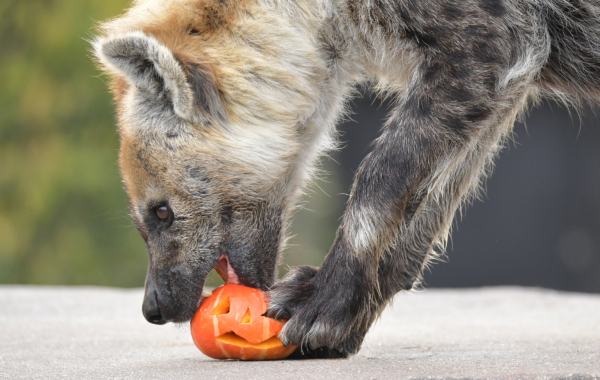
- Spotted hyena (Crocuta crocuta)
- Visayan spotted deer (Rusa alfredi)
- White rhinoceros (Ceratotherium simum)
- Warthog (Phacochoerus africanus)
Reptiles (9 EEPs)
- African pancake tortoise (Malacochersus tornieri)
- Aldabra tortoise (Geochelone gigantea)
- Emerald tree monitor (Varanus prasinus)
- Fiji banded iguana (Brachylophus fasciatus)
- Giant Asian pond turtle (Heosemys grandis)
- Komodo dragon (Varanus komodoensis)
- Madagascan tree boa (Sanzinia madagascariensis)
- Slender snouted crocodile (Mecistops cataphractus)
- Spiny hill turtle (Heosemys spinosa)
Birds (9 EEPs)
- African White backed Vulture (Gyps africanus)
- Andean condor (Vultur gryphus)
- Blue crane (Anthropoides paradiseus)
- Humboldt penguin (Spheniscus humboldti)
- King vulture (Sarcorhamphus papa)
- Rufous hornbill (Buceros hydrocorax)
- Ruppell’s vulture (Gyps rueppellii)
- Wreathed hornbill (Rhyticeros undulatus)
- Victoria crowned pigeon (Goura Victoria)