Learn about wildlife and connect with local nature
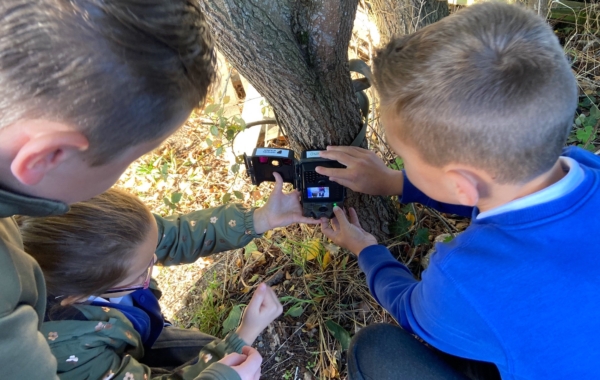
In celebration of one year as Colchester Zoological Society the charity, we’re making our award-winning school Camera Trap Loan Scheme completely free of charge!

This hands-on learning programme gives students the opportunity to develop real-world Green Career skills, improve biodiversity on your school grounds and learn STEM techniques in a practical and engaging way.
Contact education@colchesterzoo.org for more information, or to check specific term availability.
Schools get:
-
One full-term long loan of a camera trap
-
Full instructions for the operation of the camera trap
-
Check-in email and support throughout the loan
-
Teacher pack of cross-curricular activities
-
Certificate of Participation
Schools will receive a camera trap on loan, supported by a six-week step-by-step guide designed to help students:
- Discover how camera traps are used in conservation and wildlife research
- Collect and analyse real data from your own school grounds
- Explore biodiversity and identify local wildlife
- Build skills linked to STEM subjects and Green Careers
The scheme is fully linked to the curriculum and can be easily embedded into: classroom learning; science, STEM or eco-clubs; nature or environmental enrichment activities!
Contact education@colchesterzoo.org for more information, or to check specific term availability.

Camera Traps at CZS
At UmPhafa Private Nature Reserve, rangers use camera traps to monitor wildlife on the reserve. Through this work, the team discovered leopards living in the area – a fantastic find. Understanding which species are present helps conservationists protect both the animals and their habitats.
CZS supports a wide range of field conservation projects, many of which rely on wildlife monitoring to inform conservation action. By supplying vital equipment such as camera traps, we help researchers learn more about wild animals and the best ways to conserve them.
Camera traps in CZS’s very own Nature Area have recorded many birds, foxes, deer and badgers, and even captured footage of otters. Once rare in England, the return of otters to the Roman River along zoo grounds shows just how important biodiversity protection and monitoring can be.