This World Binturong Day on 9th May 2026, 10p of every coffee sold at selected food outlets will be donated directly to The Civet Project to help protect these vulnerable species out in the wild.
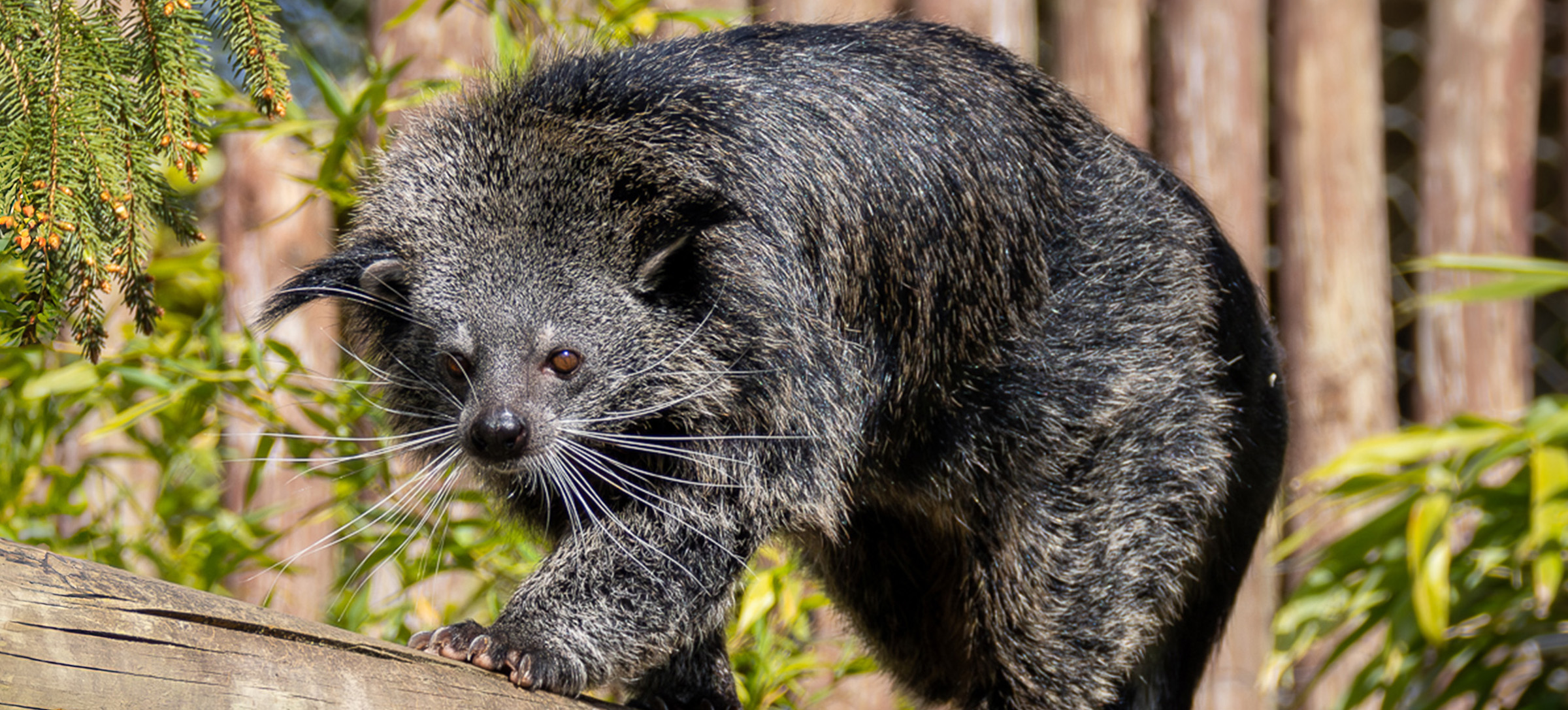
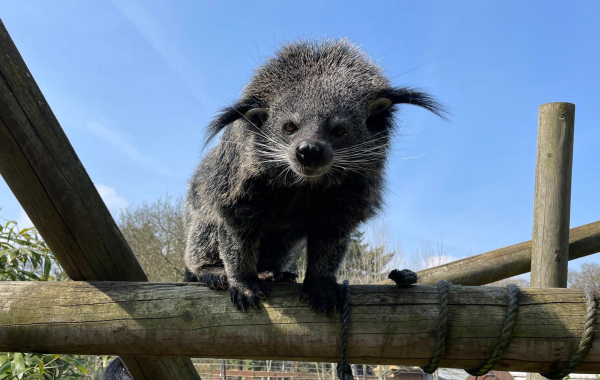
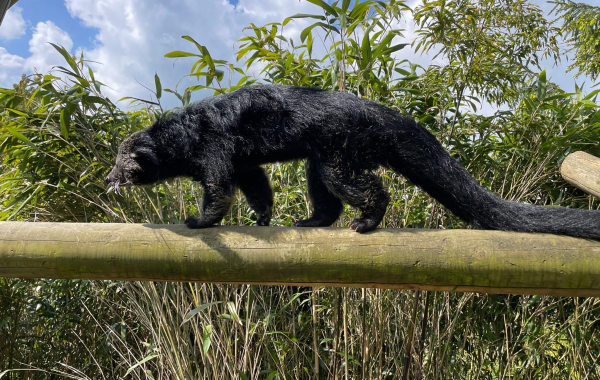
Here at Colchester Zoological Society (CZS), we are home to two binturongs, Teddy and Cecilka, who are part of the EAZA Ex situ Programme (EEP). Binturongs are currently classed as Vulnerable on the IUCN Red List of Threatened Species are are part of the viverrid family, which also includes civets and genets.
Civet Coffee
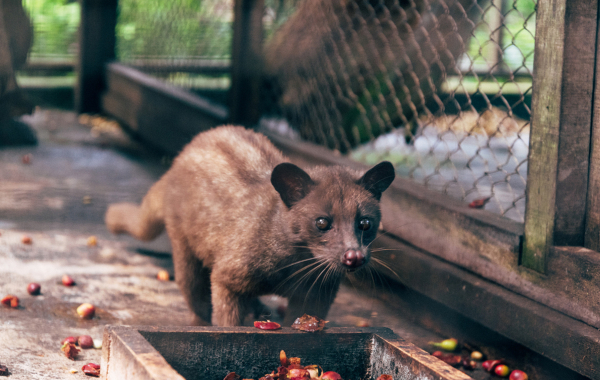
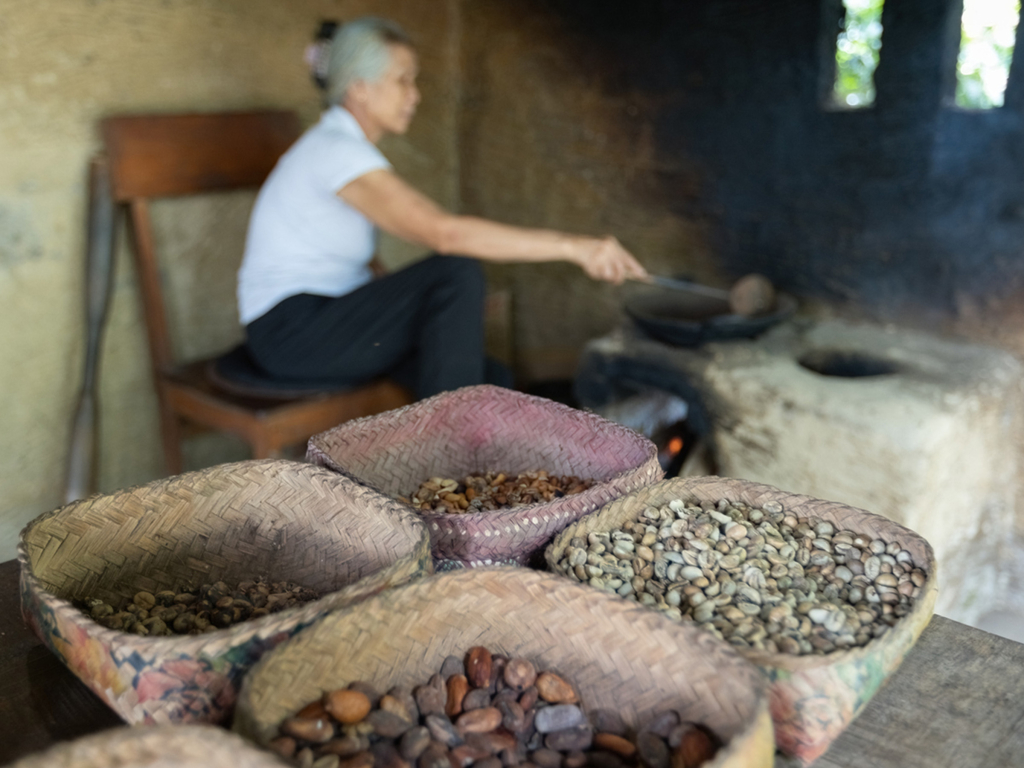
Civet Coffee, often referred to as ‘Kopi Luwak’ in Indonesia, or ‘Weasel Coffee’ in Vietnam, is coffee that has been partially digested by civets – most commonly the palm civet but also binturongs. It is said that the civet’s sepcialised digestive enzymes alter the structural and chemical characteristics of the coffee. The partially digested coffee beans are then picked from the civet’s faeces before being cleaned, dried and roasted.
Having started in Indonesia, Civet Coffee is now produced across Asia with the industry relying on the capture, caging and force feeding of civets. Now known as “the world’s most famous coffee”, Civet Coffee tourism is prevalent with tourists regularly seeking out ways to try the drink.
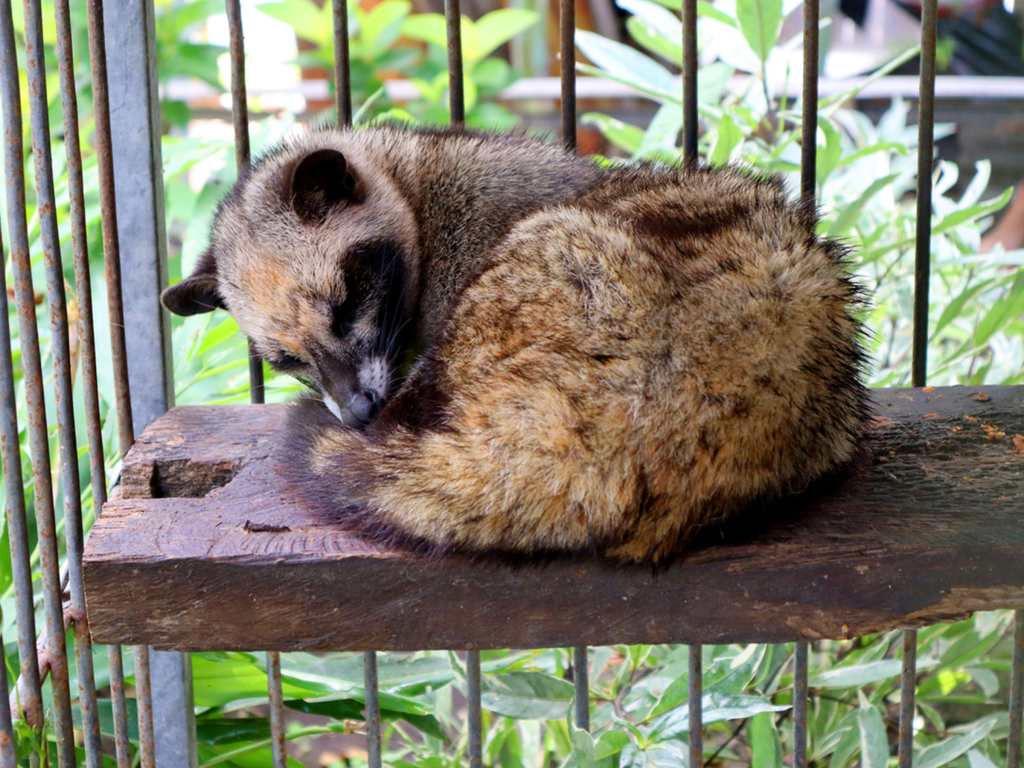
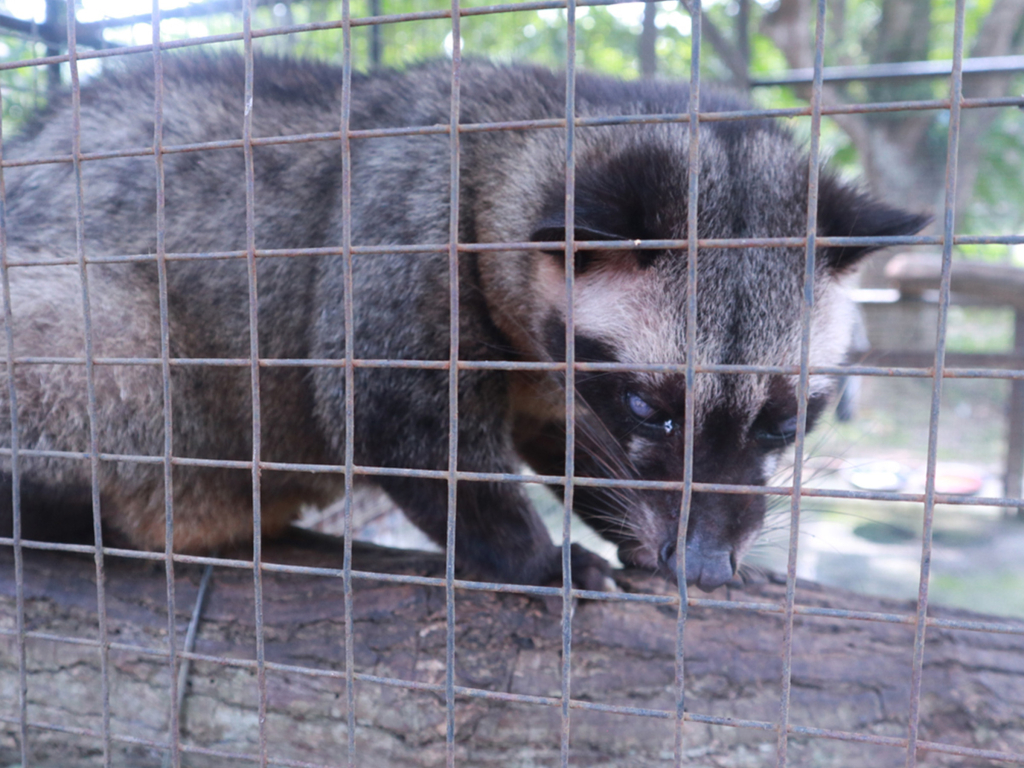
In order to produce Civet Coffee, civets are often caught using snares and trapped in cages which causes acute stress and injury. Once captured, civets are held in stacks of small cages, made from wire or mesh flooring, so that the civets faeces can drop through to a collection tray below. Standing on these materials causes abrasions, and the lack of enrichment, bedding, privacy, and nutrition causes repetitive pacing and self-mutilation behaviours.
Most civets will never see a vet, and most are fed either exclusively or almost entirely on coffee cherries, causing caffeine toxicity. Civets living in these conditions will often die prematurely from caffeine over-consumption, infected wounds, disease, and chronic stress.
The Civet Coffee tourism industry has added further welfare issues. Civets are now also captured for tourist amusement, to view as part of curated Civet Coffee production tours. Research has shown that civets have also been known to be drugged to allow for tourists to safely pose with them.
World Binturong Day
This World Binturong Day on 9th May 2026, we will be donating 10p of every coffee sold at selected food outlets, directly to The Civet Project to help with their efforts to end this cruel trade. The Animal Care Team will also be running various activities and talks throughout the day to help raise awareness of Civet Coffee and the vital work The Civet Project do to help support these vulnerable species.
Training Session
11:30am Binturong habitat at River’s EdgeFind out how the team do training sessions with our binturongs.
Enrichment Feed
3:30pm Binturong habitat at River’s EdgeWatch our binturongs enjoy an enrichment feed.
Activity Table
Various times Dragons of KomodoLearn more about binturongs and Civet Coffee with interactive activities.