Supporting since 2015
Location
South Africa
Support started
2015
Species
African vulture species
Mission
VulPro is a multi-faceted organisation which deals with every aspect of vulture conservation, aiming to advance knowledge, awareness and innovation in the conservation of African vulture populations. Activities include rescuing and rehabilitating injured and poisoned vultures, restoring and monitoring colonies, community outreach and education and research initiatives.
Donations:
Help towards vulture monitoring expenses covering researcher costs to monitor breeding sites of the critically endangered tree nesting African white-backed vulture.
2025:
£5999.84 donated this year.
Background
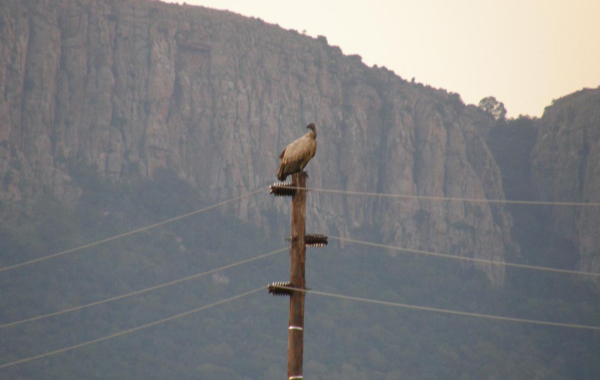
African vultures have experienced a staggering drop of over 80% in their populations over the last 30 years! This alarming decline is attributed to a multitude of threats that they face on a daily basis, including power line electrocutions and collisions, instances of poisoning, habitat degradation, and the impacts of climate change.
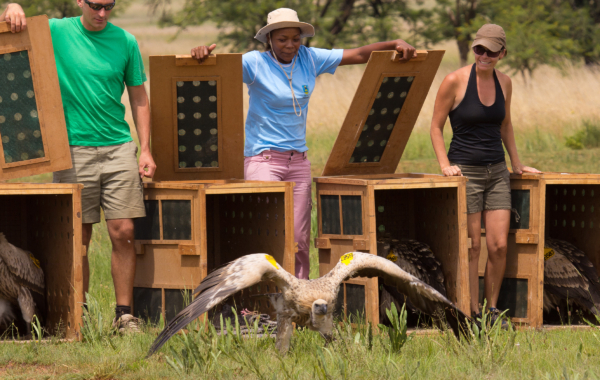
VulPro, a conservation organisation in South Africa, is committed to protecting these important species and is the only organisation in Africa focused solely on vulture conservation. It is critical for conservationists to keep a close eye on population numbers to determine any population changes. One important way that VulPro achieves this is through breeding monitoring to help understand which sites to protect throughout South Africa. VulPro monitors sites through two surveys; one at the beginning of the season, and one at the end.
Data gathered during surveys enhances understanding of in-situ breeding success and the underlying factors influencing it. Research provides critical insights into demographic patterns of the species, the impact of environmental variables such as climate, and the identification of sites warranting protection for the long-term survival of the species. The research also strengthens VulPro’s ability to mitigate any immediate threats to these breeding birds at the various sites.
Achievements and Objectives
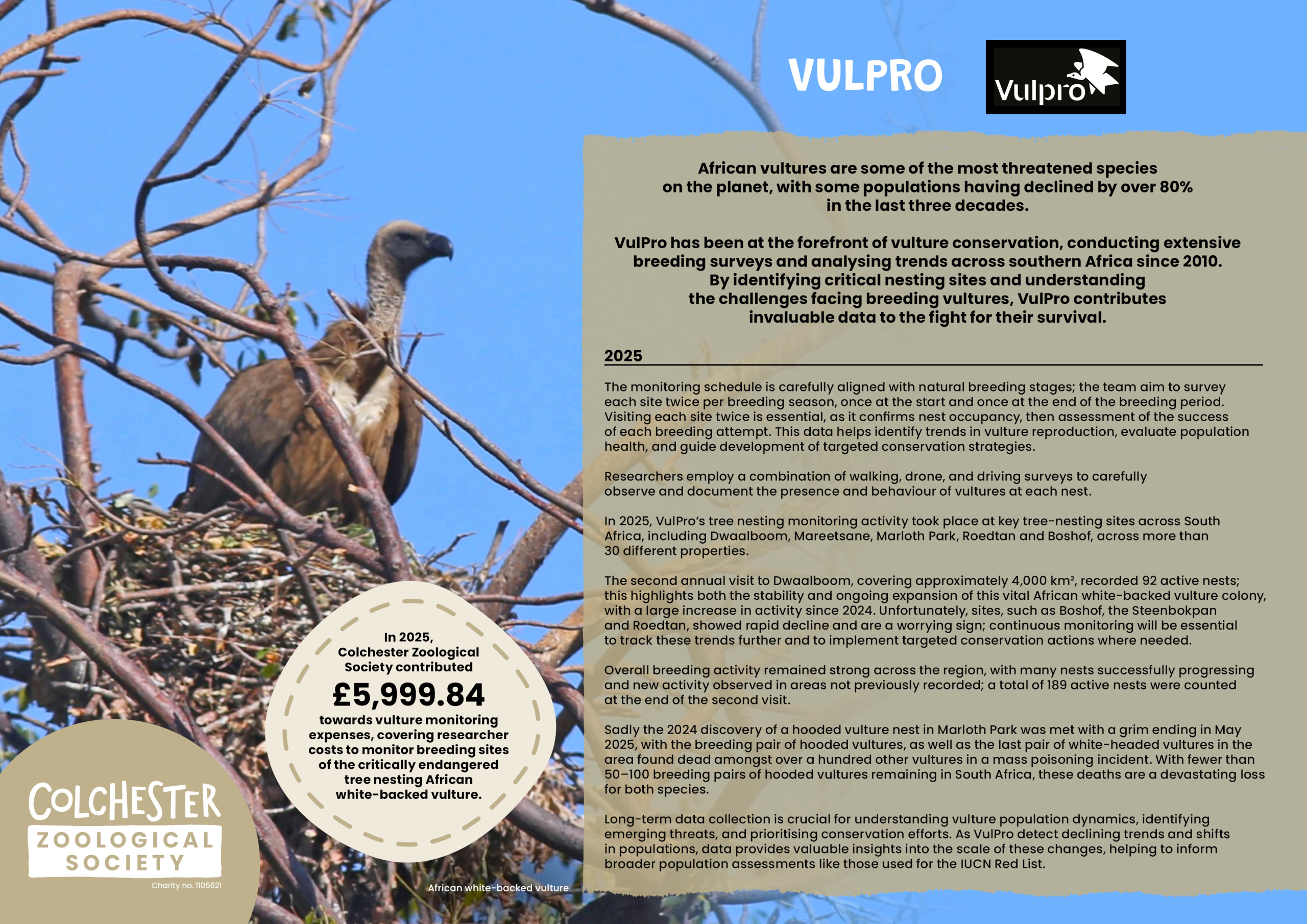
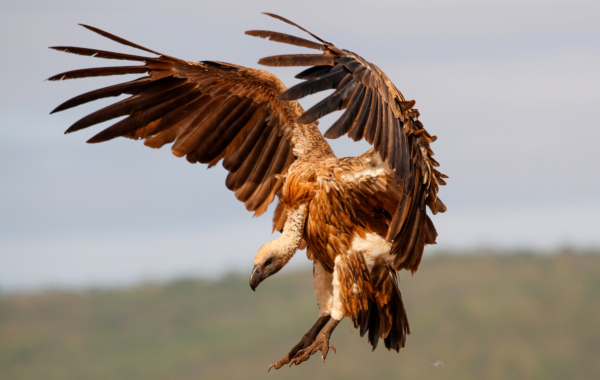
African vultures are some of the most threatened species on the planet, with some populations having declined by over 80% in the last three decades. VulPro has been at the forefront of vulture conservation, conducting extensive breeding surveys and analysing trends across southern Africa since 2010. By identifying critical nesting sites and understanding the challenges facing breeding vultures, VulPro contributes invaluable data to the fight for their survival.
In 2025, Colchester Zoological Society gave a contribution of £5,999.84 towards vulture monitoring expenses, covering researcher costs to monitor breeding sites of the critically endangered tree nesting African white-backed vulture.
The monitoring schedule is carefully aligned with natural breeding stages; the team aim to survey each site twice per breeding season, once at the start and once at the end of the breeding period. Visiting each site twice is essential, as it confirms nest occupancy, then assessment of the success of each breeding attempt. This data helps identify trends in vulture reproduction, evaluate population health, and guide development of targeted conservation strategies.
Researchers employ a combination of walking, drone, and driving surveys to carefully observe and document the presence and behaviour of vultures at each nest.
In 2025, VulPro’s tree nesting monitoring activity took place at key tree-nesting sites across South Africa, including Dwaalboom, Mareetsane, Marloth Park, Roedtan and Boshof, across more than 30 different properties.
The second annual visit to Dwaalboom, covering approximately 4,000 km², recorded 92 active nests; this highlights both the stability and ongoing expansion of this vital African White-backed Vulture colony, with a large increase in activity since 2024. Unfortunately, sites, such as Boshof, the Steenbokpan and Roedtan, showed rapid decline and are a worrying sign; continuous monitoring will be essential to track these trends further and to implement targeted conservation actions where needed.
Overall breeding activity remained strong across the region, with many nests successfully progressing and new activity observed in areas not previously recorded; a total of 189 active nests were counted at the end of the second visit.
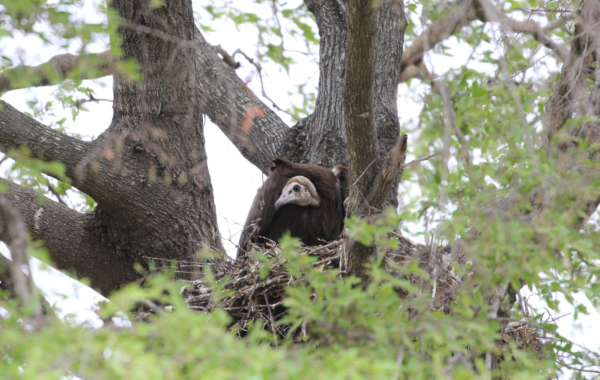
Sadly the 2024 discovery of a hooded vulture nest in Marloth Park was met with a grim ending in May 2025, with the breeding pair of hooded vultures, as well as the last pair of white-headed vultures in the area found dead amongst over a hundred other vultures in a mass poisoning incident. With fewer than 50–100 breeding pairs of hooded vultures remaining in South Africa, these deaths are a devastating loss for both species.
Long-term data collection is crucial for understanding vulture population dynamics, identifying emerging threats, and prioritising conservation efforts. As VulPro detect declining trends and shifts in populations, data provides valuable insights into the scale of these changes, helping to inform broader population assessments like those used for the IUCN Red List.
Click for 2024 Summary
- In 2024, Colchester Zoological Society gave a contribution of £4,994.22 towards vulture monitoring expenses, covering researcher costs to monitor breeding sites of the critically endangered tree nesting African white-backed vulture.
- Researchers employ a combination of walking, drone, and driving surveys to carefully observe and document the presence and behaviour of vultures at each nest. Each nesting site is monitored a minimum of twice a year, allowing for comparisons of breeding success at the start and end of each season and enabling the calculation of annual reproductive rates.
- In 2024, VulPro’s tree nesting monitoring activity took place across 20 different properties, where the team recorded a total 137 vulture tree nests.
- Long-established monitoring sites provide valuable data on recent population trends, revealing mixed trends across sites in 2024 when compared to previous years. Continuous monitoring will be essential to track these trends further and to implement targeted conservation actions where needed.
- Monitoring efforts further expanded to include an altogether new area. This led to the interesting discovery of a hooded vulture nest hidden away along the bank of the river. With fewer than 50–100 breeding pairs of hooded vultures remaining in South Africa, this discovery is of immense conservation significance.
- Long-term data collection is crucial for understanding vulture population dynamics, identifying emerging threats, and prioritising conservation efforts. As VulPro detect declining trends and shifts in populations, data provides valuable insights into the scale of these changes, helping to inform broader population assessments like those used for the IUCN Red List.