Free Evening Lectures
A free programme of evening wildlife and conservation lectures.
Join us this summer for a series of free evening lectures exploring wildlife, conservation, animal behaviour and the science behind modern zoos. Led by zoo professionals and conservation specialists, these sessions reveal how we study, care for and protect animals, and how science is shaping conservation both locally and globally.
About the series
A programme of free evening wildlife and conservation lectures in Colchester, Essex, designed to share insights from across zoo science, animal care, ecology and conservation.
Who is it for?
These lectures are aimed at adults and older teenagers with an interest in wildlife, conservation or the natural world. No prior knowledge is required. Minimum age for attendance is 14 years.
Dates & Times
Lecture dates vary across the summer, see the programme below for full details of topics and timings.
All lectures take place from 5:00–6:00pm and are free to attend. Advance booking is required. You may attend as part of a day at the zoo or simply attend the evening session.
Important Information
Lecture Tickets are valid for the lecture only and do not include admission to Colchester Zoo.
All lectures take place in our Teaching Theatre, at Colchester Zoo in Essex, and do not include access to zoo grounds.
Lectures finish at zoo closing time, and attendees must leave the site at the end of the session.
Live animals are not used during any lectures.
Minimum age to attend is 14 years old. Under 16yrs must be accompanied by a responsible adult over 16yrs. Unaccompanied persons under 16yrs will not be admitted.
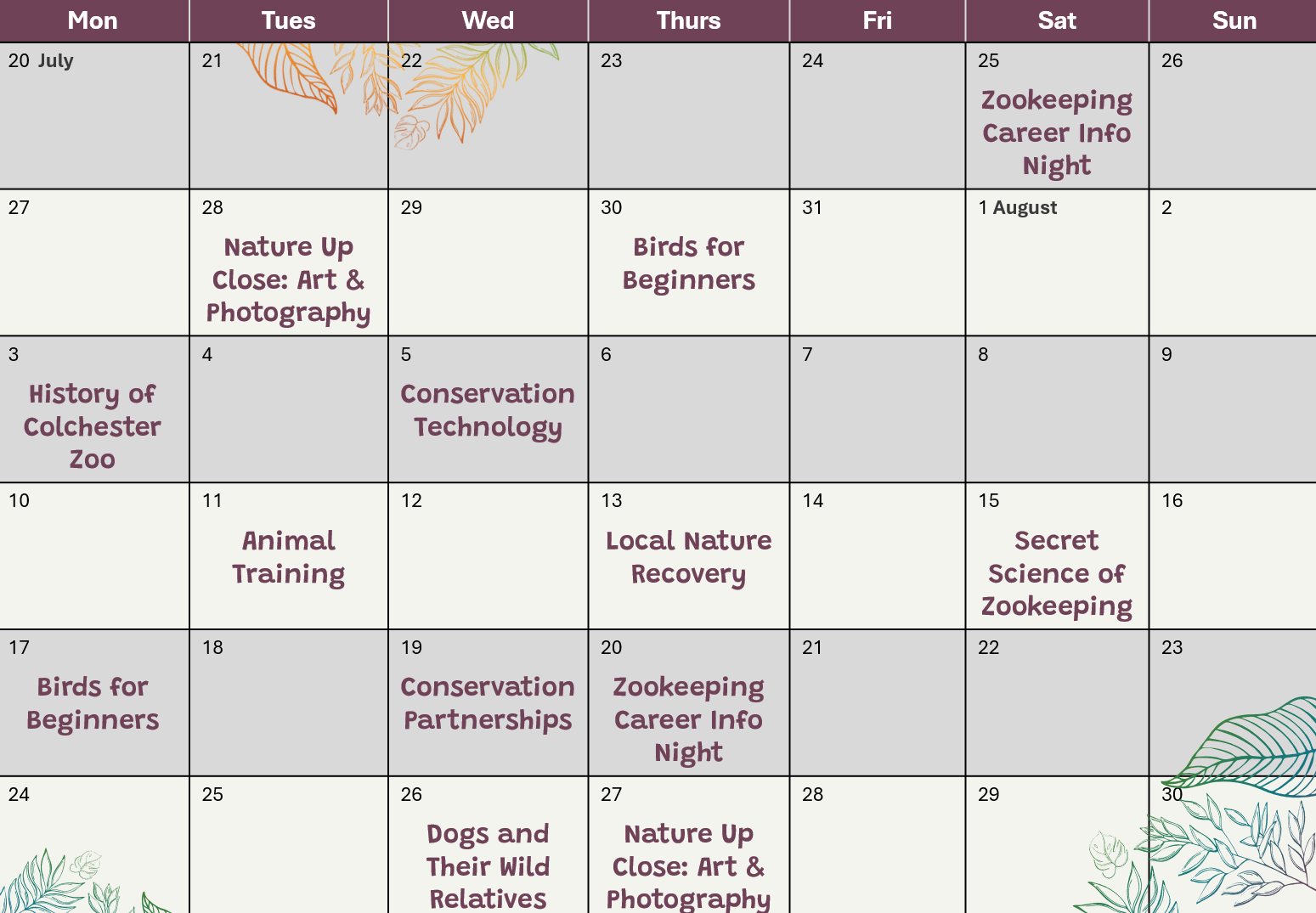
Summer Lecture Series
- 25 July – Zookeeping Career Info Night
- 28 July – Nature Up Close
- 30 July – Birds for Beginners
- 3 August – History of Colchester Zoo
- 5 August – Conservation Technology
- 11 August – Animal Training
- 13 August – Local Nature Recovery
- 15 August – Secret Science of Zookeeping
- 19 August – Conservation Partnerships
- 26 August – Dogs and Their Wild Relatives
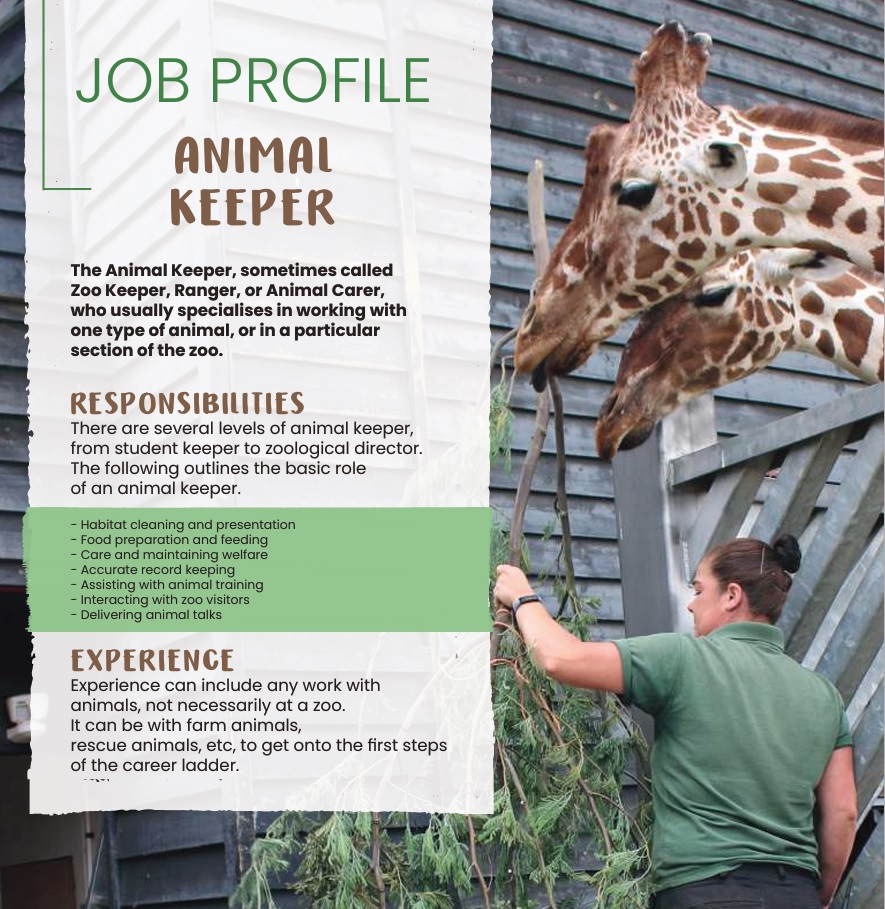
Zookeeping Career Information Night
Sat 25th Jul & Thur 20th Aug
Thinking about a career in zookeeping? This informative session will explore the many routes into the profession and provide an honest insight into working in a modern zoo.
Learn about qualifications, college and university courses, volunteering, work experience and the skills that employers look for when recruiting animal care staff. We’ll also discuss the realities of the role, career progression opportunities and how zoos contribute to conservation, education and research alongside animal care.
Suitable for anyone considering a future career in zoos, animal care or conservation.
Nature Up Close: Art, Photography, and Specimens
Tues 28th Jul & Thur 27th Aug
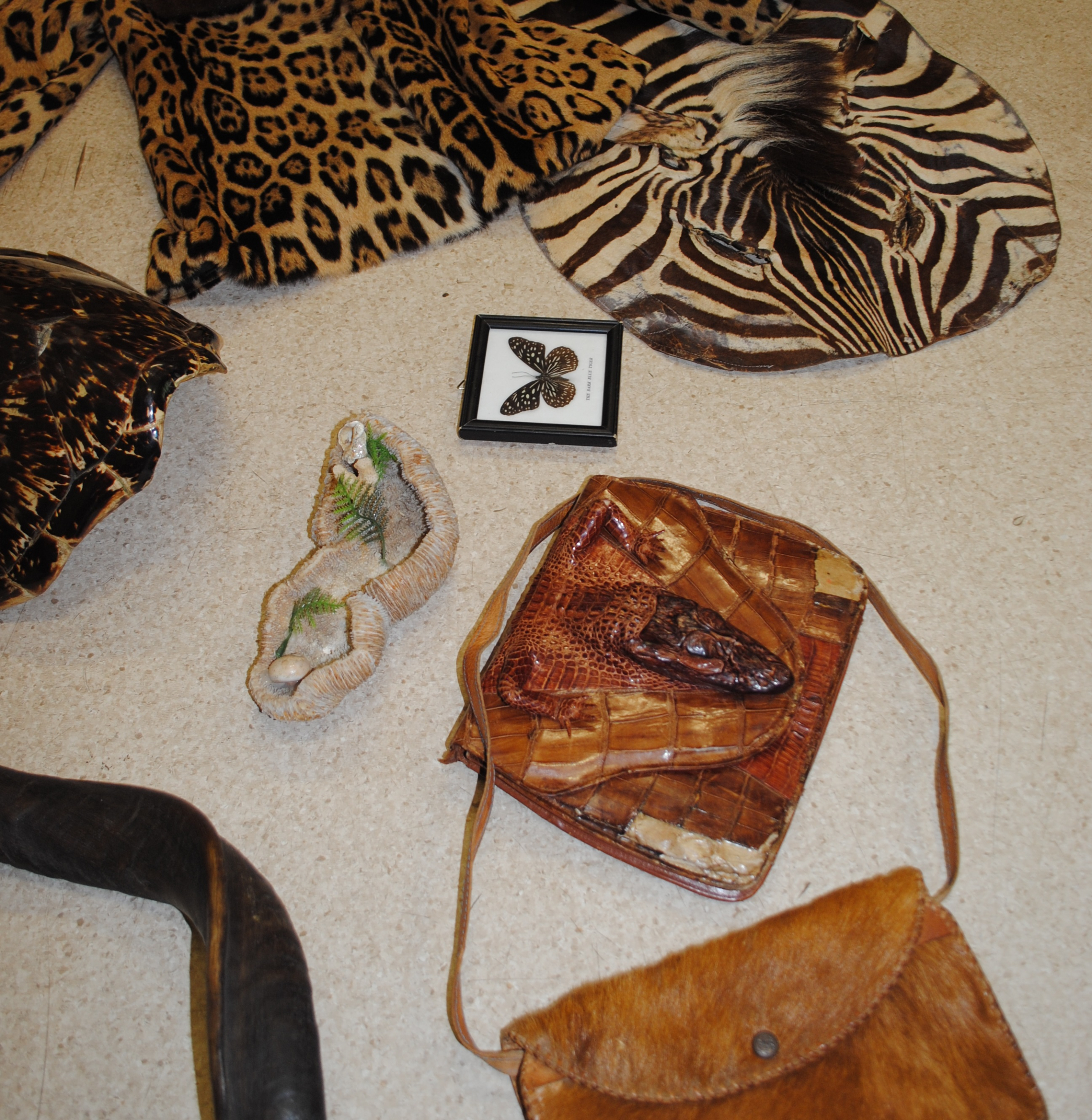
Calling all wildlife artists, photographers and nature enthusiasts, you’re invited to a unique evening with close-up access to our Natural History Teaching Collection.
Following a short introduction to the history of wildlife art and the role of zoological collections in supporting artists, naturalists and scientific study, the evening becomes an open study session.
With access to a reference collection of over 1,000 specimens used for education, training and research, you’ll have the opportunity to examine a wide range of natural history objects at close quarters. Many items originate from customs wildlife trade enforcement and are held to support conservation education and scientific study.
Whether you sketch, photograph or simply enjoy studying the natural world, this is a rare opportunity to explore skulls, feathers, furs, reptile skins and other anatomical specimens in detail at your own pace.
Please note that this is an informal study session rather than a taught art or photography workshop.
Birds for Beginners
Thurs 30th Jul & Mon 17th Aug
Where do you begin when everything in a tree looks like “just a bird”?
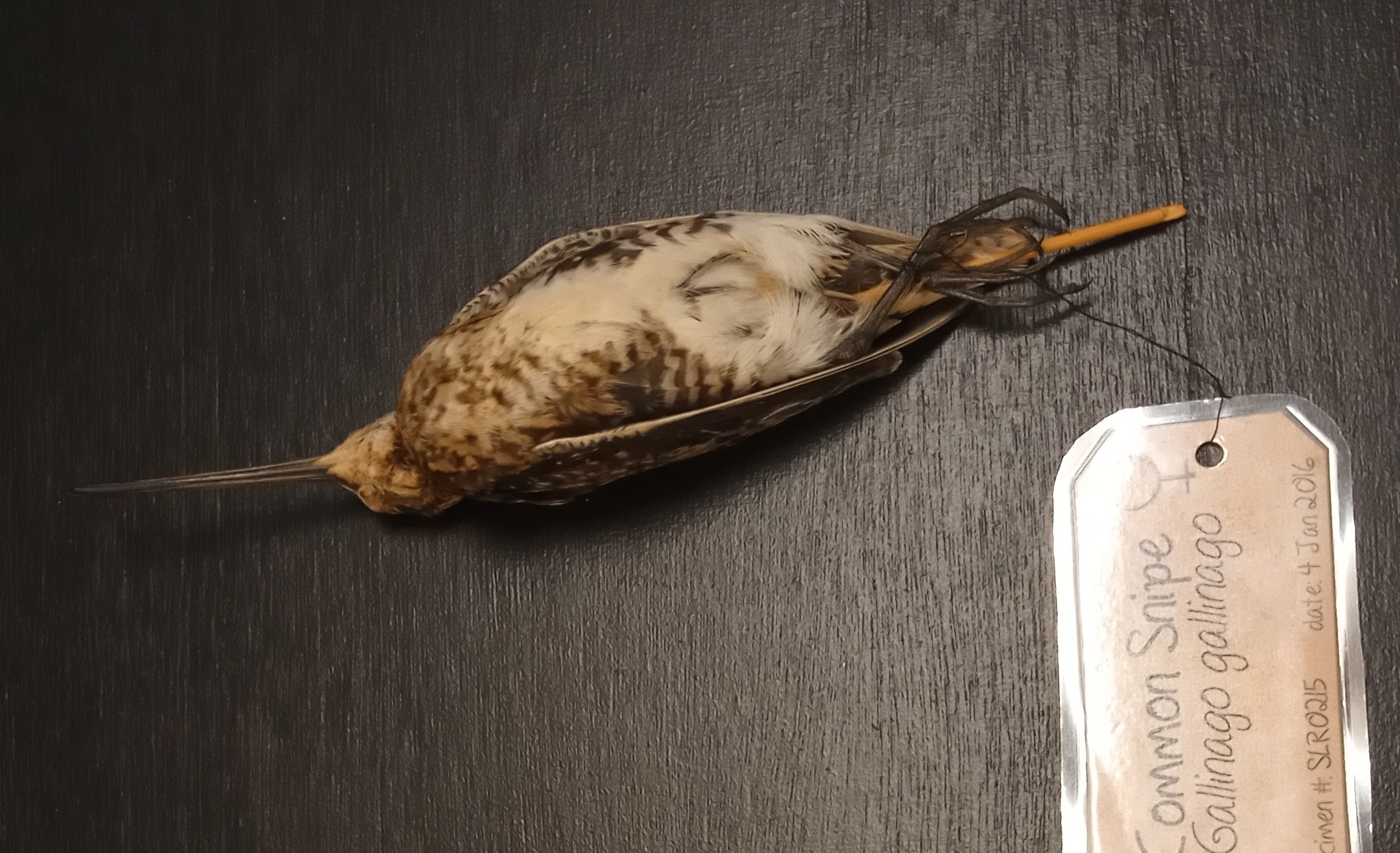
This beginner-friendly session introduces the key groups of birds and the simple features that help with identification in the field. We’ll explore some of the most common birds found in Essex, along with practical tips and field signs to help you start recognising familiar species with confidence.
The session also includes access to our scientific bird study skin collection, allowing close comparison of birds that are often difficult to observe in the wild.
Please note this is an indoor lecture and does not include a bird walk.
History of Colchester Zoo
Mon 3rd Aug
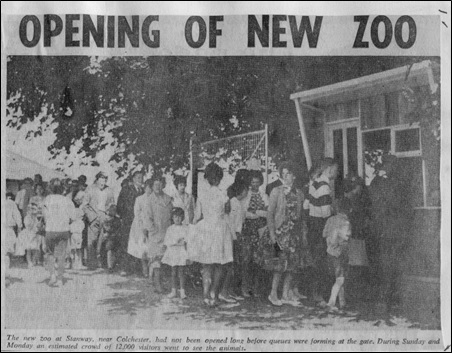
Discover the story behind Colchester Zoo and how it has developed over the decades into the conservation and education organisation it is today.
This illustrated talk explores the zoo’s history, from its early foundations to major developments in animal care, exhibits and conservation work. Alongside the story of the zoo itself, the session also reflects on wider changes in zoological practice and public engagement with wildlife over time.
An engaging talk for those with an interest in local history, heritage and conservation.
Conservation Technology: Innovations for Wildlife
Wed 5th Aug
From camera traps to artificial intelligence, technology is transforming the ways we study and protect wildlife.
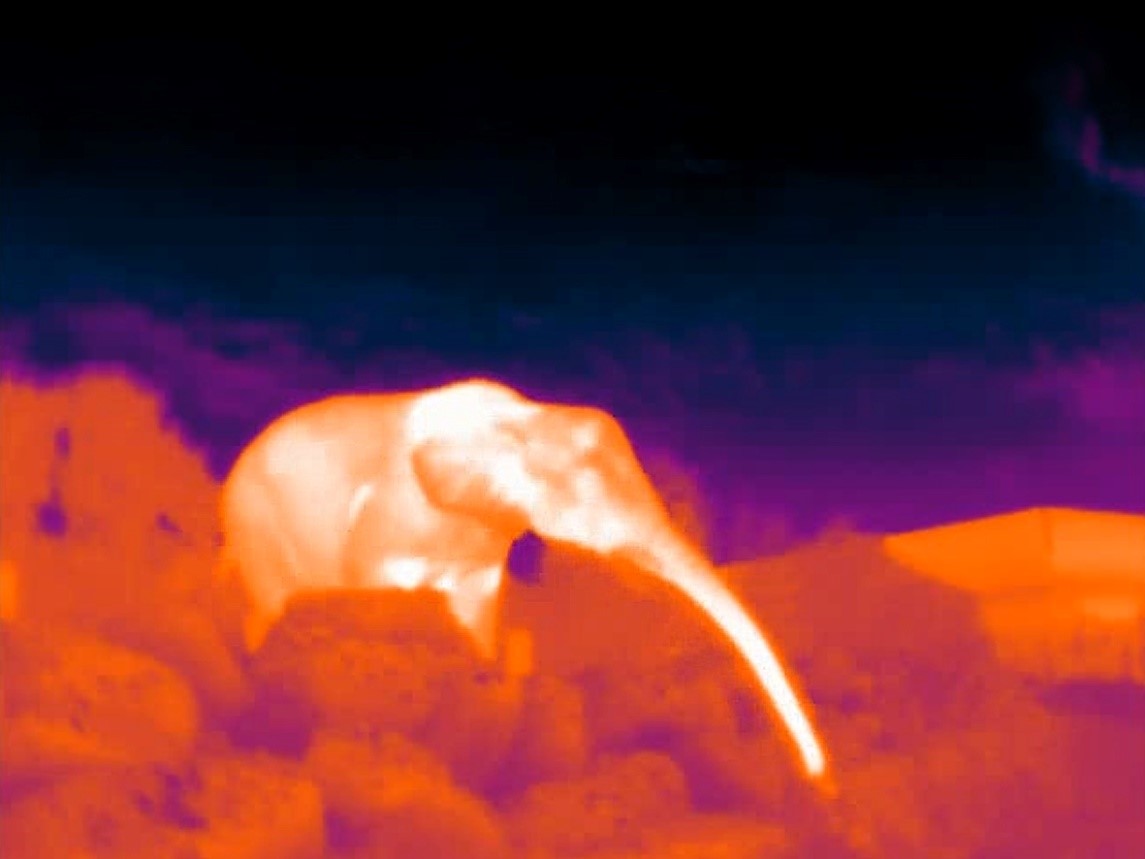
This session explores some of the major challenges facing endangered species around the world and examines how innovative technologies are helping researchers and conservationists respond. Through real-world case studies, discover how thermal imaging systems are being used to detect elephants and reduce human-wildlife conflict, and how computer models trained using data collected at the zoo can help identify endangered otters. Discover how conservationists are combining ecology, technology and data science to better understand wildlife and tackle conservation challenges.
Animal Training: Science, Behaviour and Welfare
Tues 11th Aug
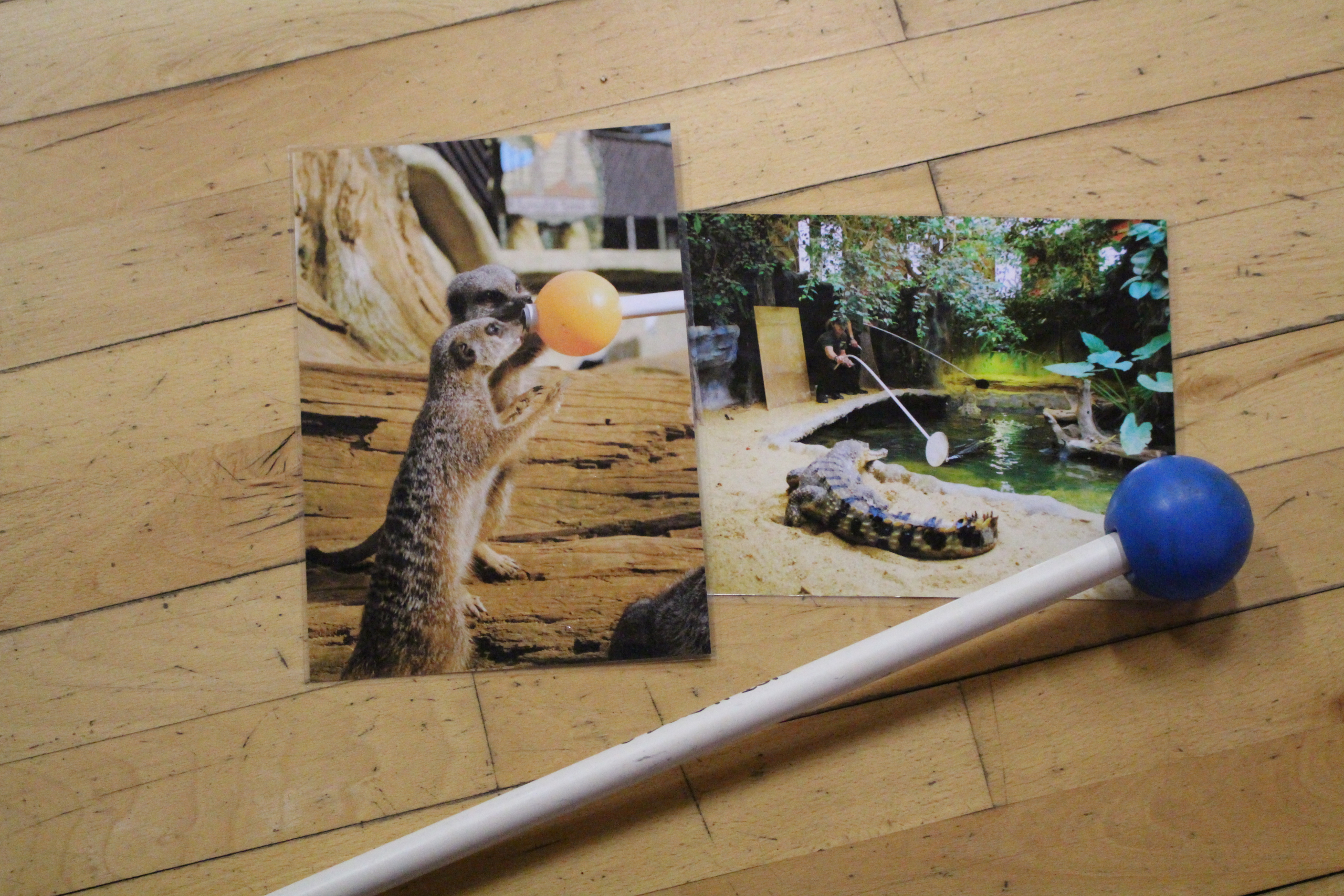
How do zookeepers safely work with animals as diverse as Komodo dragons, tigers, orangutans and goats?
This session explores the science behind modern animal training and introduces the principles of operant conditioning and positive reinforcement. Discover how training is used to support animal health, welfare and husbandry, enabling animals to voluntarily participate in routine care, health checks and enrichment activities.
Using examples from across the zoo, we’ll examine how trainers build trust, encourage desired behaviours and adapt techniques to suit different species. Along the way, you’ll gain a better understanding of animal learning and behaviour, with principles that can also be applied when working with pets at home.
Whether you’re interested in animal behaviour, welfare, training or simply curious about how zoos care for their animals, this session offers a fascinating insight into a key aspect of modern animal management.
Local Nature Recovery: Helping Wildlife on your Doorstep
Thurs 13th Aug
Nature recovery starts close to home.
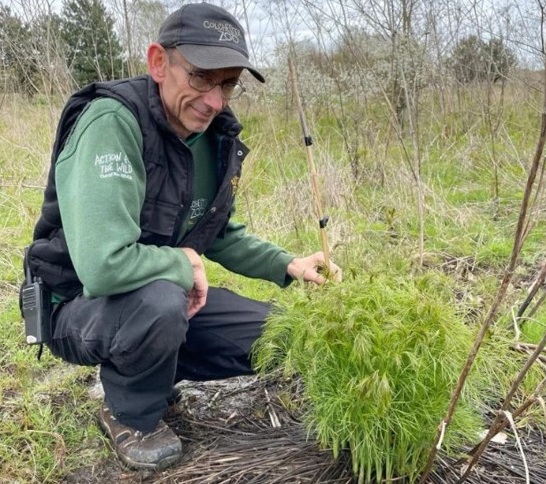
This session explores the challenges facing local wildlife and introduces the principles behind the Essex Local Nature Recovery Strategy. Discover how habitats can be restored and connected, why local action matters, and how individuals, communities and organisations can contribute to creating more space for nature.
We’ll also share some of the work taking place at the zoo to support local wildlife, from habitat management and species monitoring to practical conservation initiatives. Along the way, you’ll discover simple actions that can make a real difference.
Whether you have a garden, an allotment, a balcony or simply an interest in local wildlife, this session will provide ideas and inspiration for helping nature recover on your doorstep.
Secret Science of Zookeeping
Sat 15th Aug
Behind every zoo habitat lies a world of science, technology and specialist knowledge that is rarely seen by visitors. This session explores the hidden side of zoo animal care, revealing how keepers work alongside veterinarians, nutritionists, geneticists, endocrinologists and other specialists to support animal health, welfare and conservation.
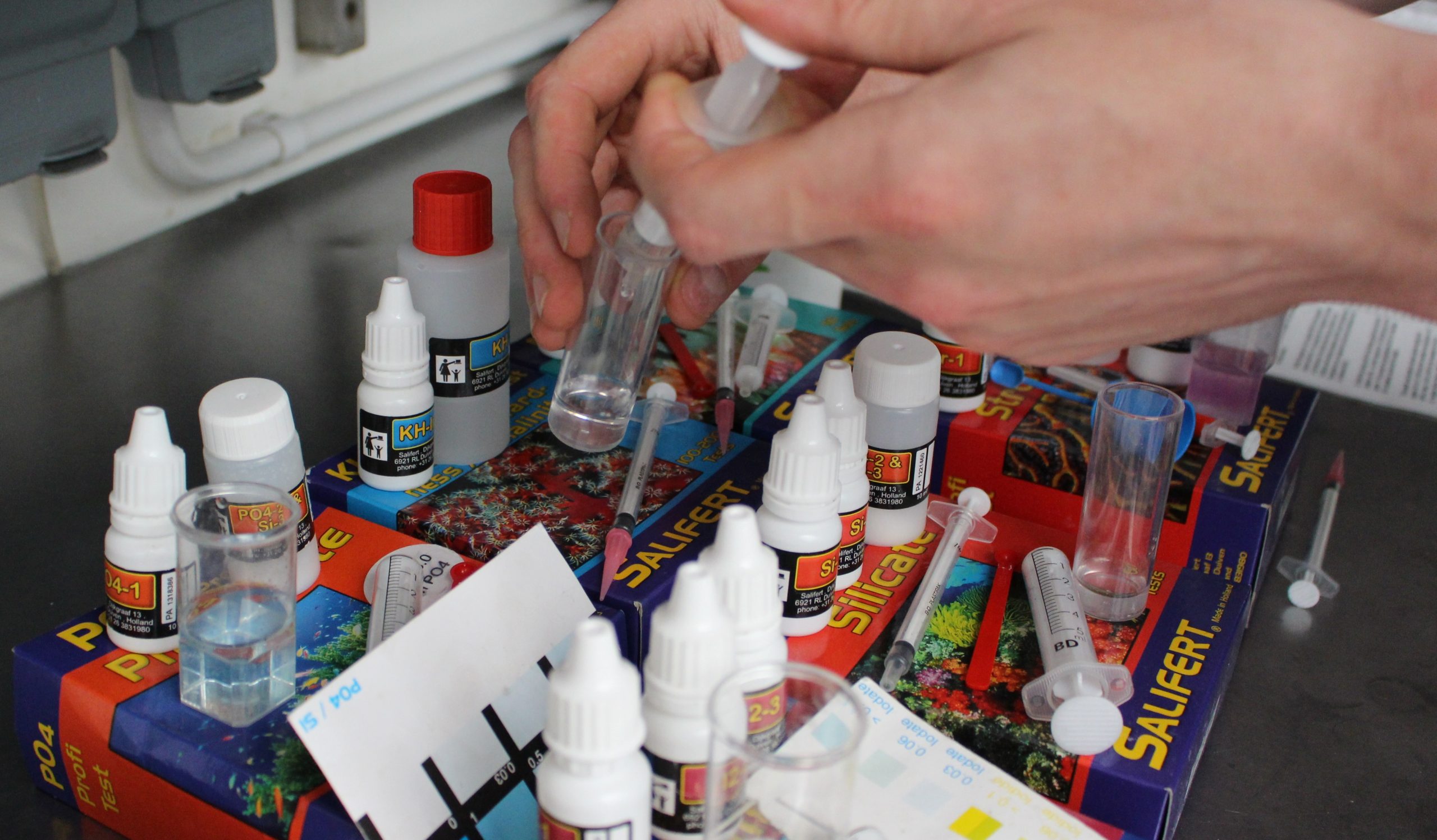
Discover how environmental conditions are monitored and managed, how life-support systems maintain aquatic habitats, and how scientific research helps inform animal care and breeding programmes. We’ll also explore the role of genetics in conservation, including how modern technologies are helping to safeguard the future of endangered species.
Join us to gain an understanding of the science that underpins modern zookeeping and conservation.
Conservation Partnerships: Working Together for Wildlife
Wed 19th Aug
Conservation extends far beyond the boundaries of the zoo.
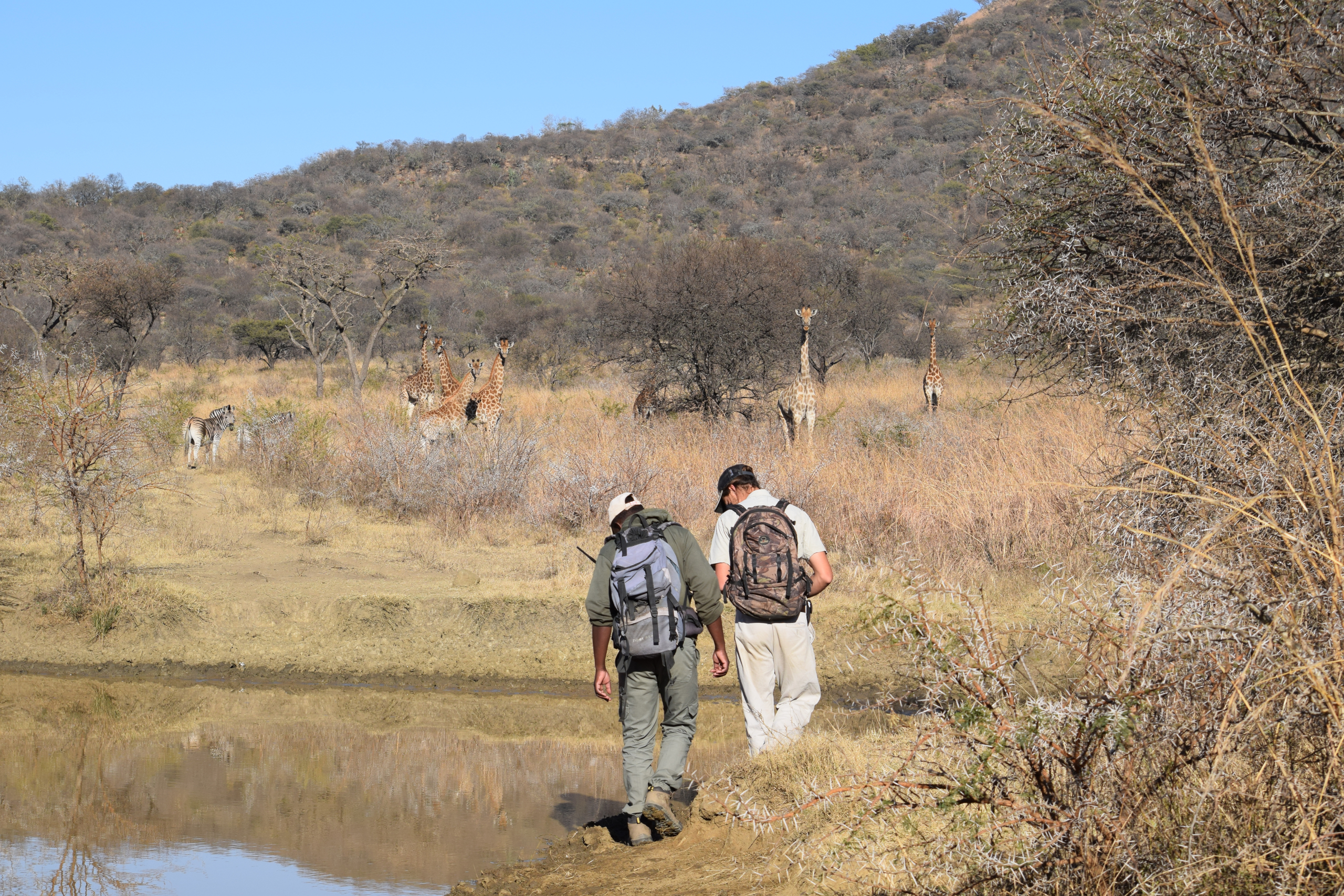
This session explores some of the remarkable conservation projects and organisations that we support around the world, highlighting how collaboration between zoos, charities, researchers and local communities can help protect wildlife and habitats. Discover how organisations such as Free the Bears are working to rescue bears, improve animal welfare and help end the bear bile industry across South East Asia. Learn about UmPhafa, our associated conservation reserve in South Africa, and how habitat management, research and species monitoring contribute to the protection of native wildlife.
Through these and other examples, we’ll explore the many ways conservation organisations work together to address threats facing wildlife and how support from zoos can contribute to conservation efforts both locally and globally.
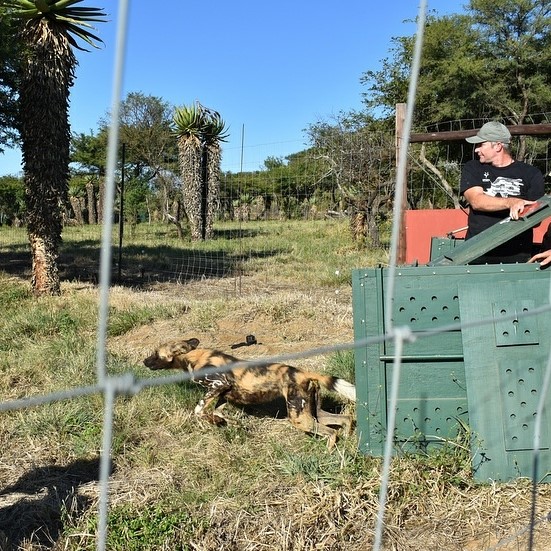
Dogs and their Wild Relatives
Wed 26th Aug
Dogs are one of our closest animal companions, but where did they come from, and how are they connected to their wild relatives?
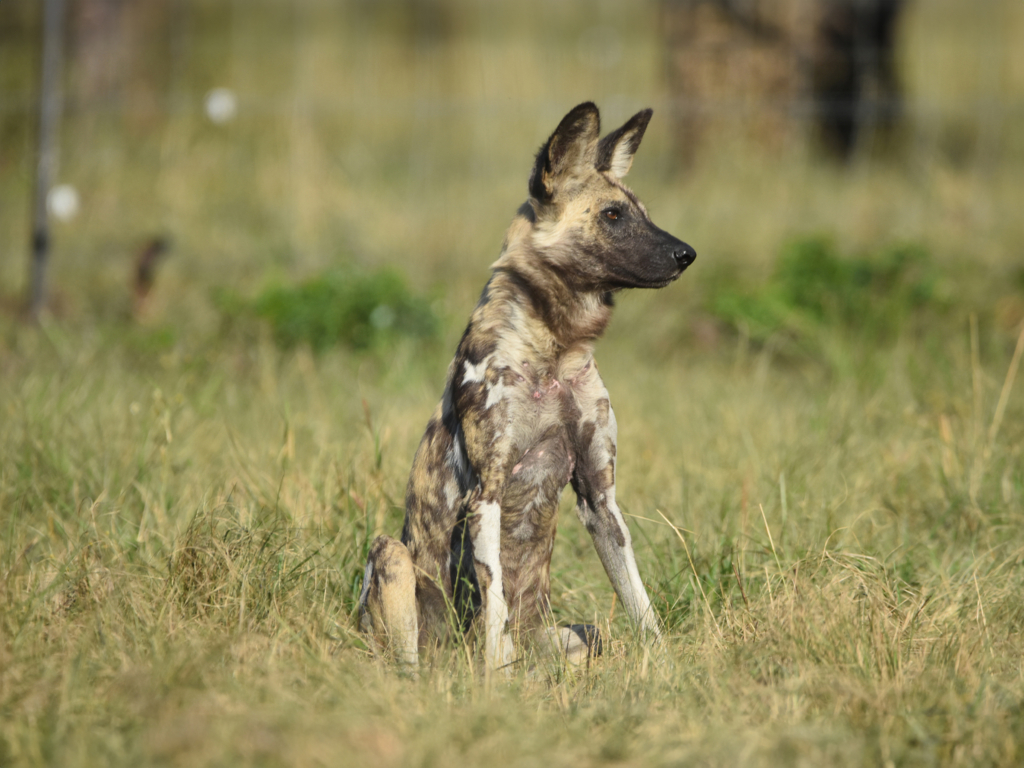
This session explores the canid family, including wolves, foxes, African hunting dogs and bush dogs, to understand how these species are related and how they have adapted to a wide range of environments. We’ll look at what current scientific research tells us about the domestication of dogs, and how modern genetics, archaeology and behaviour studies are reshaping our understanding of their origins.
Along the way, we’ll explore the similarities and differences between domestic dogs and their wild relatives, from social structure and hunting strategies to communication and behaviour.
Suitable for anyone interested in dogs, wildlife, evolution or animal behaviour.
Summer Lecture Series Terms & Conditions:
Programme changes or cancellations
Lectures are planned in good faith, but topics, dates, or delivery may be subject to change due to circumstances outside our control, including severe weather or operational restrictions. In the unlikely event of cancellation, we will contact booked attendees as soon as possible.
Age guidance
The content is designed for an adult audience and is not suitable for younger children. The minimum age for attendance is 14 years. Under 16yrs must be accompanied by a responsible adult over 16yrs. Unaccompanied persons under 16yrs will not be admitted.
Tickets and zoo admission
Lecture tickets are free and do not include admission to Colchester Zoo. Zoo entry, if you wish to visit the zoo prior to the lecture, must be booked separately via standard admission, group bookings, or membership.